


Why Balancing AAU and High School Basketball is Key to Succeeding in the NIL Era
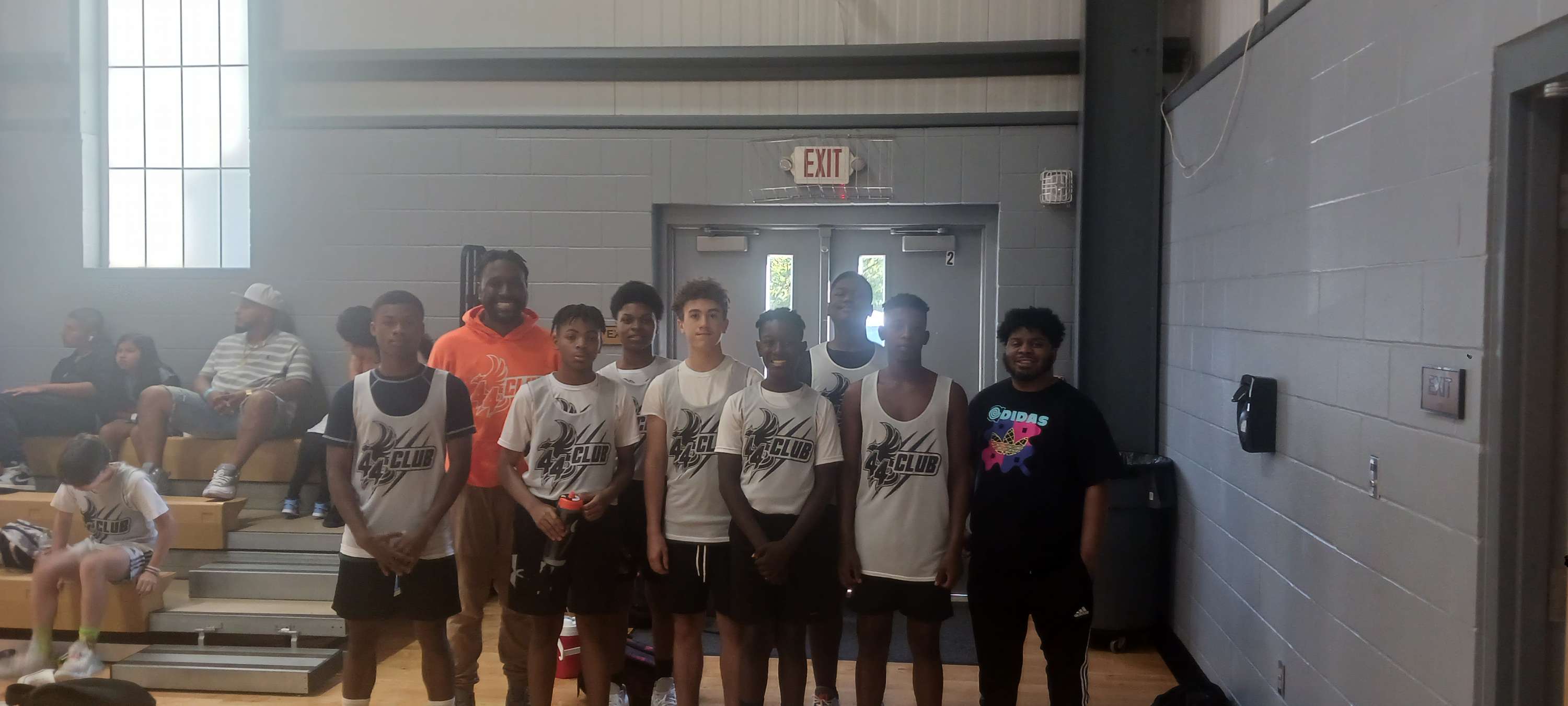
The world of college basketball has changed dramatically with the introduction of Name, Image, and Likeness (NIL) opportunities. Players now have the chance to earn money while still in school, but this new landscape also demands a different approach to development and exposure. For young athletes aiming to succeed in college basketball and beyond, balancing both AAU and high school basketball is essential. Each offers unique benefits that, when combined, create a stronger foundation for success in this evolving environment.

Understanding the Role of AAU Basketball
AAU (Amateur Athletic Union) basketball has become a critical platform for young players to showcase their skills outside the traditional high school season. It offers:
Exposure to College Scouts: AAU tournaments attract college coaches and recruiters from across the country. These events provide players with a chance to compete against top talent and get noticed.
Higher Level of Competition: The best players from different regions come together in AAU, pushing athletes to improve their game and adapt to diverse playing styles.
Year-Round Play: Unlike high school basketball, which is seasonal, AAU allows players to compete and develop throughout the year, maintaining their skills and conditioning.
AAU basketball is often seen as the gateway to college recruitment. Players who perform well in AAU circuits can build a reputation that opens doors to scholarship offers and NIL deals.
The Importance of High School Basketball
While AAU offers exposure and competition, high school basketball remains a vital part of a player’s journey. Here’s why:
Community and School Pride: Playing for a high school team builds local support and a fan base, which can be important for personal branding in the NIL era.
Leadership and Team Dynamics: High school basketball emphasizes team chemistry and leadership roles, helping players develop qualities that scouts and coaches value.
Academic Balance: High school sports are integrated with academics, encouraging players to maintain eligibility and focus on education, which remains a priority for many college programs.
High school basketball also provides a structured environment where players can grow under the guidance of dedicated coaches who often have long-term relationships with their athletes.
How AAU and High School Basketball Complement Each Other
Balancing both AAU and high school basketball creates a well-rounded experience that prepares players for the demands of college basketball and NIL opportunities.
Skill Development: AAU’s fast-paced, high-level competition sharpens skills, while high school basketball allows players to apply those skills in a team setting.
Visibility: AAU increases national exposure, while high school games build local recognition and fan support.
Networking: AAU connects players with college recruiters and agents, while high school helps build relationships with coaches and community members who can support NIL ventures.
Brand Building: Success in both arenas helps players create a strong personal brand, essential for attracting NIL deals.
Navigating the NIL Landscape with Both Platforms
The NIL era rewards players who can market themselves effectively. Here’s how balancing AAU and high school basketball helps:
Consistent Exposure: Playing year-round keeps athletes visible to scouts and brands looking for endorsement opportunities.
Diverse Audiences: AAU reaches a national audience, while high school basketball connects players with local businesses and fans who may offer NIL partnerships.
Storytelling: Players can share their journey from local high school star to national AAU competitor, creating a compelling narrative for sponsors.
Skill Showcase: Demonstrating versatility and leadership in both settings makes players more attractive to NIL brands.
Practical Tips for Balancing Both
Managing commitments to AAU and high school basketball can be challenging. Here are some strategies:
Prioritize Time Management: Use calendars and planners to avoid conflicts between AAU tournaments and high school games.
Communicate with Coaches: Keep both AAU and high school coaches informed about schedules and goals to ensure support.
Focus on Recovery: Playing year-round requires attention to rest and injury prevention.
Leverage Social Media: Share highlights and updates from both AAU and high school games to build a strong online presence.

Real-Life Example
Consider a player like Jalen Green, who balanced high school basketball with elite-level AAU competition. His exposure through AAU helped him attract attention from top college programs and professional scouts. Meanwhile, his high school career built a loyal fan base and local support, which proved valuable when he started securing NIL deals. This combination helped him transition smoothly into the professional ranks.


Comments